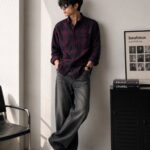
Your build and your waist decide which of these pants work, not the trend: a slim cut suits you if you’re built narrow, while a relaxed leg stops the fabric bunching at the seat if your thighs or hips carry more size.
The list runs from drawstring joggers and baggy jeans to black tailored trousers with loafers, so the dressiest and the laziest options sit side by side.
Fabric then sorts them by season, with linen for summer and Donegal tweed, coarse and heavy, for fall and winter.
1. Joggers
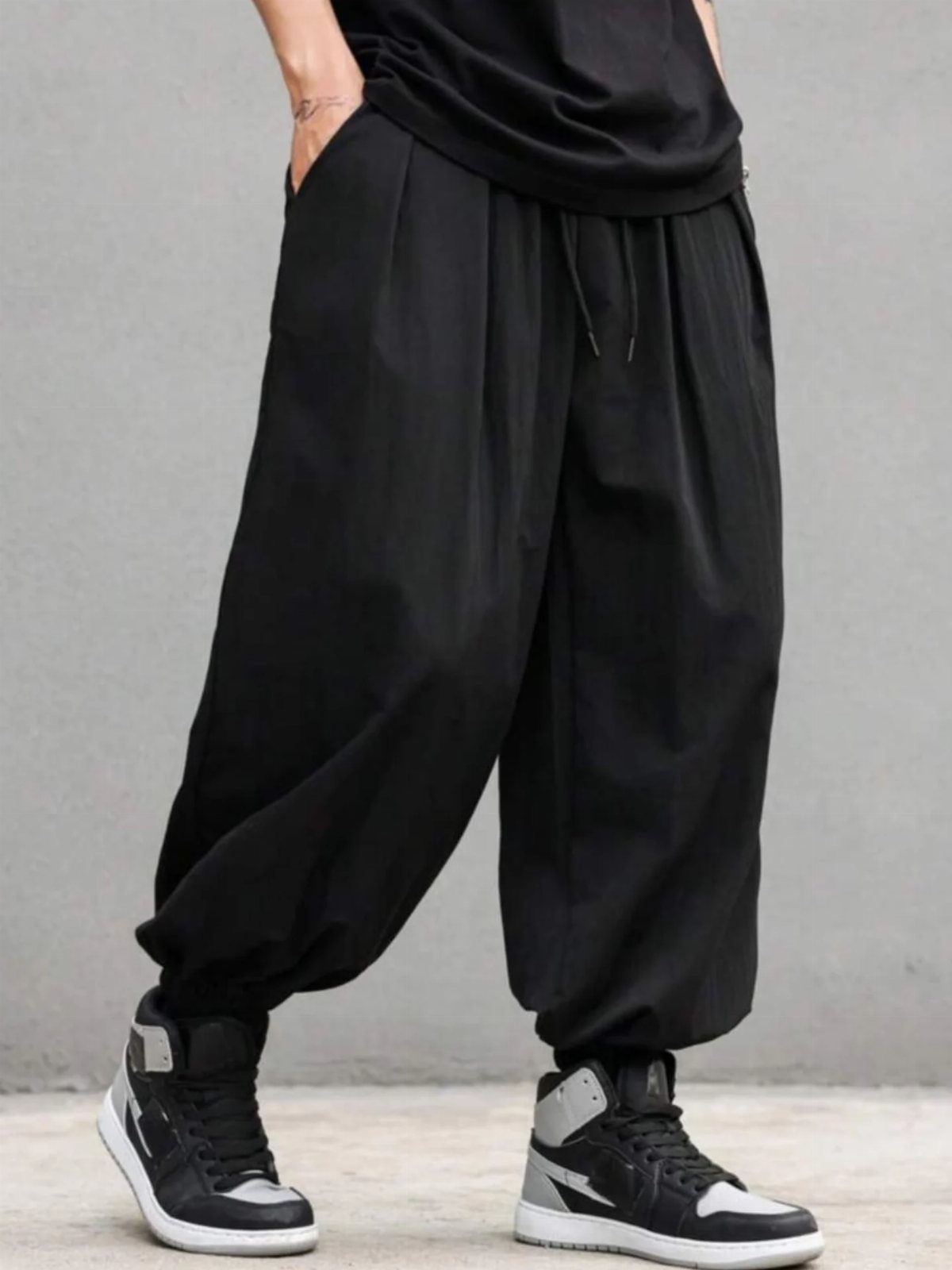
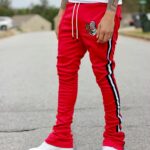
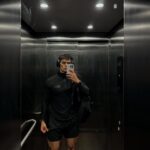
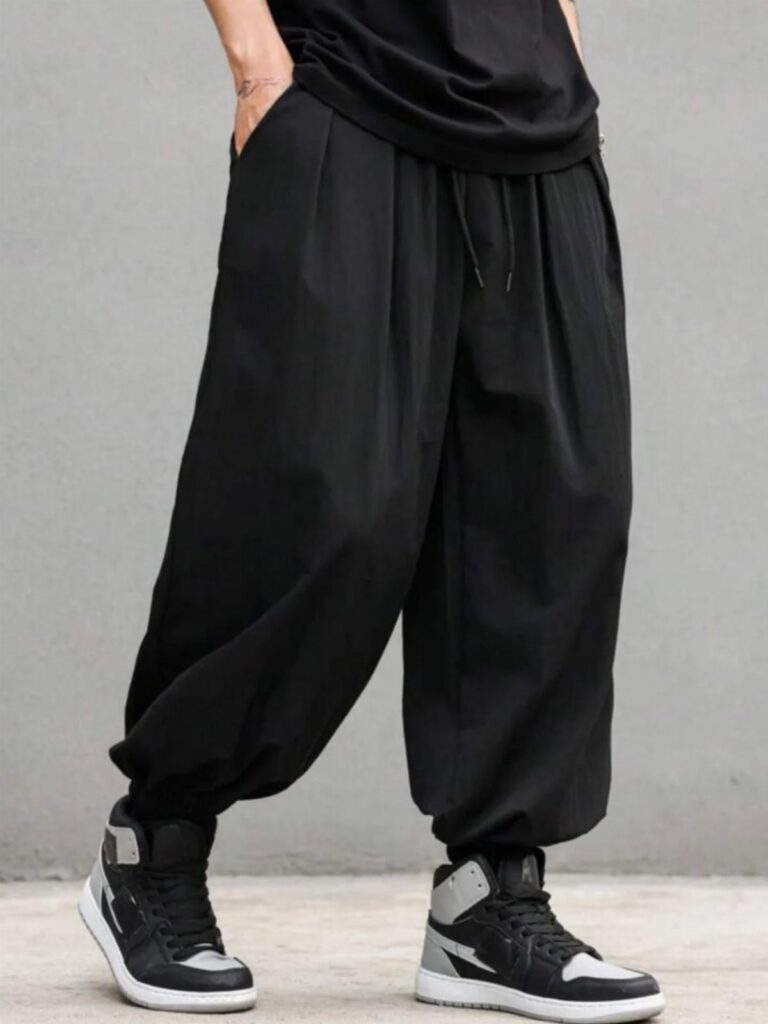
Oversized joggers work best when everything above them stays simple. A plain tee in the same black as the pants keeps the loose shape looking intentional rather than sloppy.
High-top sneakers suit that volume well, because a chunky shoe stops the cuffs from swallowing your feet. I would skip a slim low-profile sneaker here; it makes the pants look bigger than they are.
For errands, the gym and long days on your feet, it’s an outfit that takes 2 minutes to put together.
2. Cropped Pants
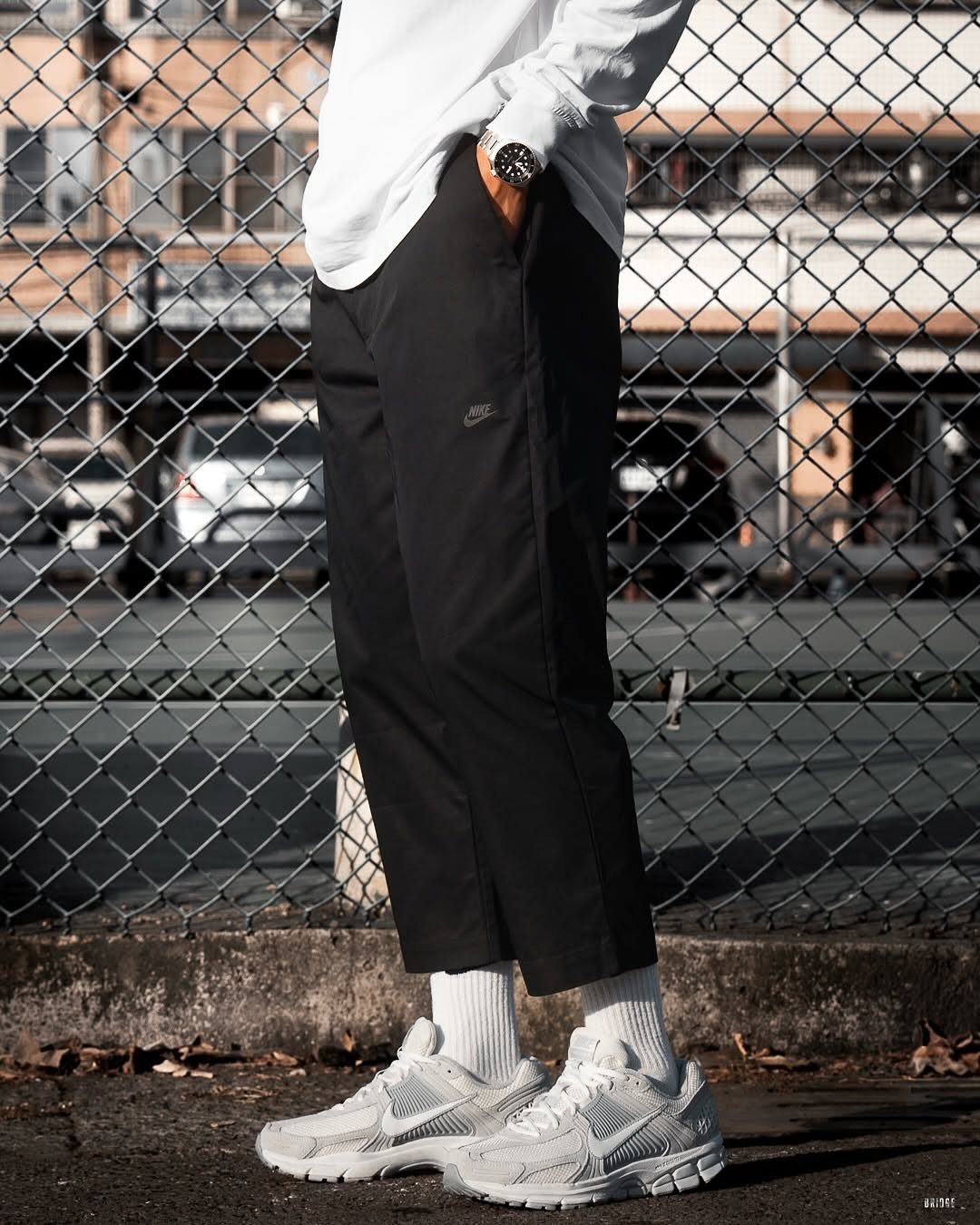
A hem that stops above the ankle makes a pair of pants look current, and it shows off your shoes and socks. Black cropped pants with white socks and white sneakers is a clean, high-contrast way to do it.
Keep the top simple, like a plain long-sleeve shirt. The pants are doing the work already.
Sock choice matters more here than anywhere else, since they’re on display. White is the safest pick with white sneakers; skip patterns until you’re comfortable with the cut.
3. Cargo Pants
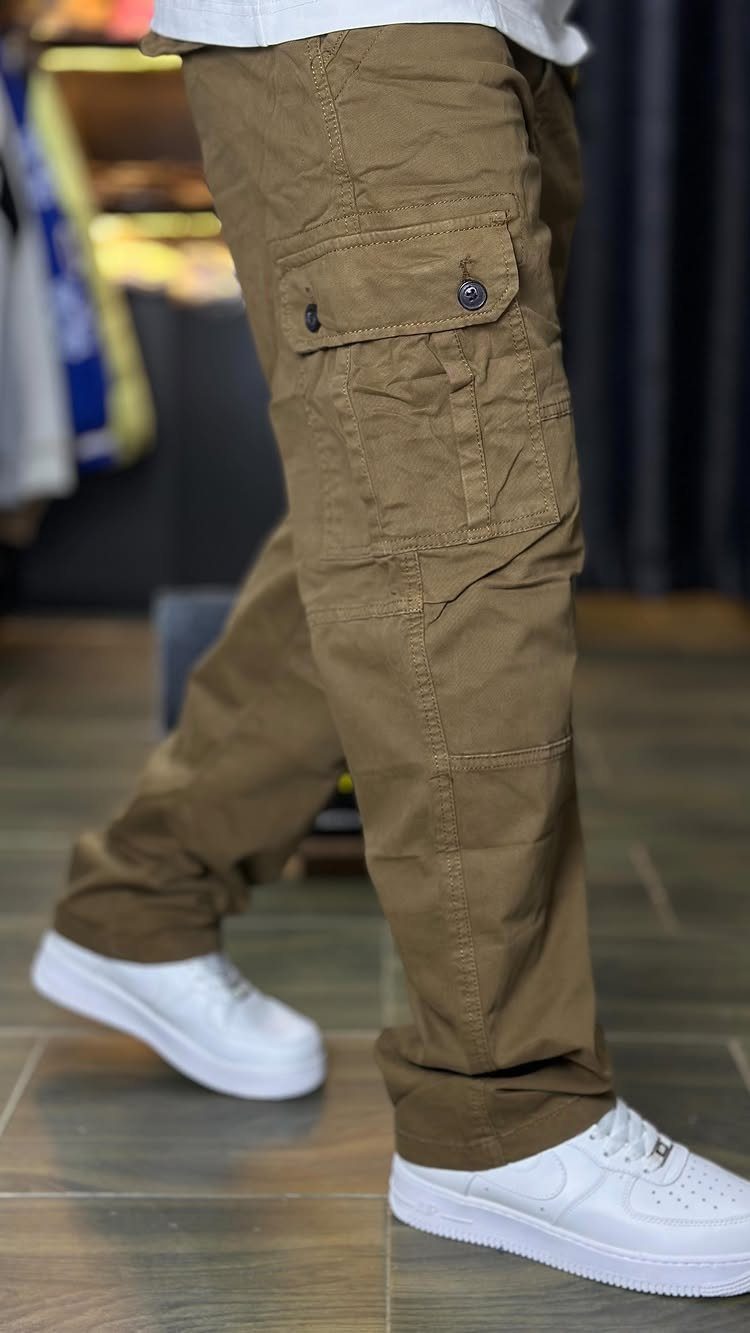
Side pockets give cargo pants their character, and brown is the easiest color to wear them in. It reads as relaxed, not tactical.
White sneakers keep the look light and stop the pants from feeling heavy. Pair them with a plain tee or a simple knit and let the pockets be the only detail.
I would keep those pockets mostly empty. A phone and keys are fine; a stuffed pocket ruins the line of the leg.
4. Tailored Trousers
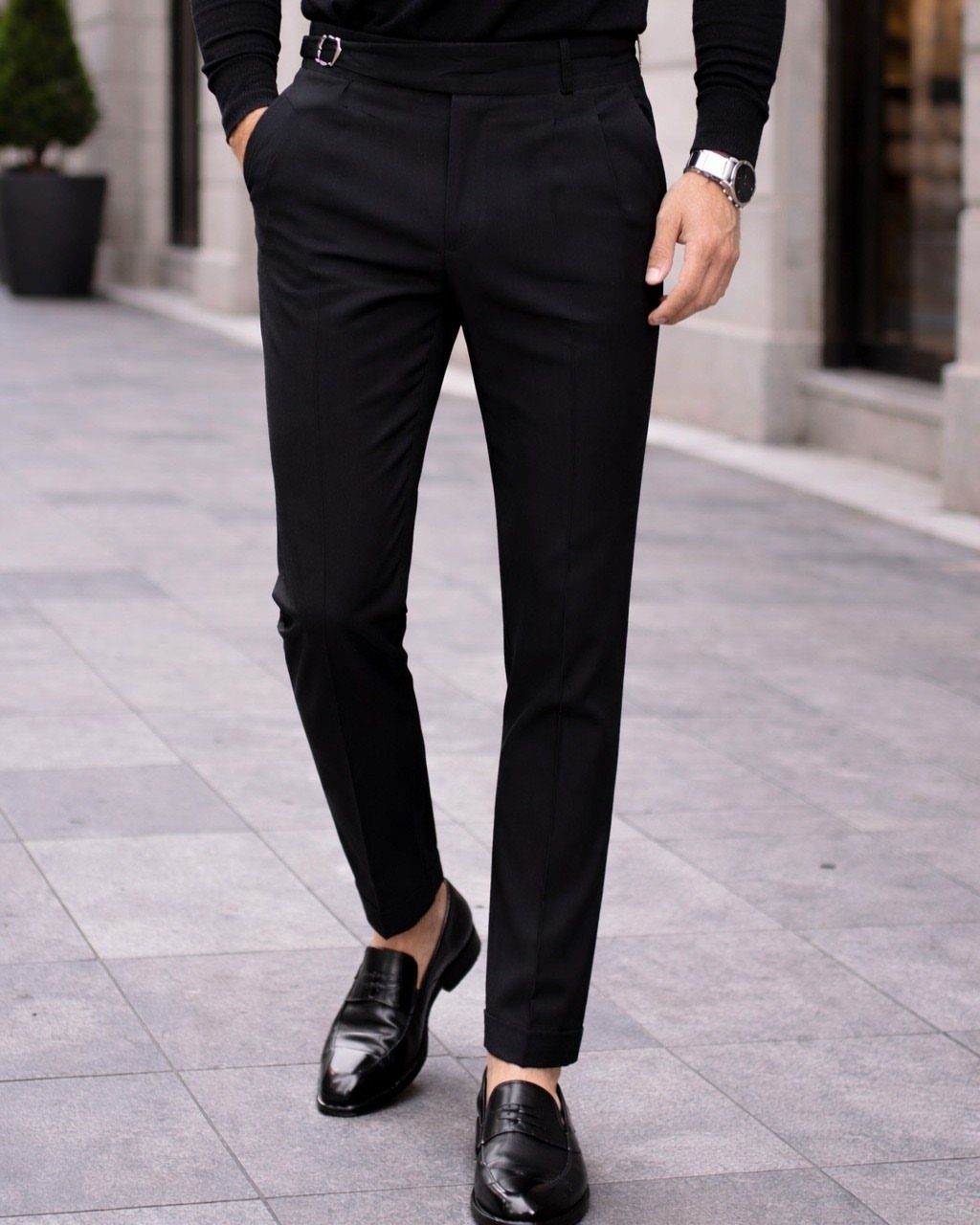
Black tailored trousers with a slim fit and black leather loafers make a sharp, quiet outfit, and the shoes matter as much as the pants. Loafers keep it dressy without needing a tie or a jacket.
A black long-sleeve shirt in the same tone stretches the line from shoulder to shoe. Good for dinners, office days and dates.
Pay attention to the hem. Trousers that break neatly at the shoe look sharper than any extra layer you could add.
5. Pleated Trousers
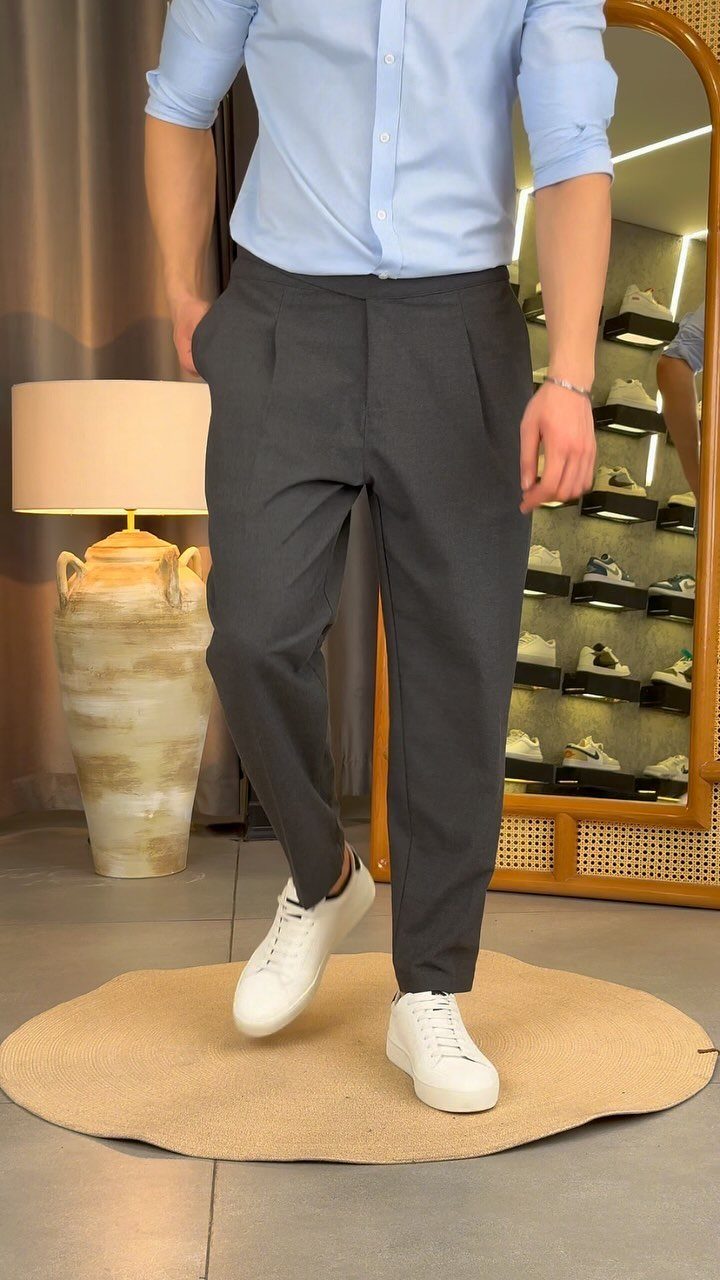
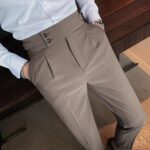
Pleats add room at the hip and thigh, so the trousers sit easier when you sit down and move around. Dark grey is a smart color for them, since it goes with nearly every shirt in your closet.
A light blue button-down is an easy partner, and white sneakers make the outfit casual enough for a normal weekday. I like that mix of dressy pants and relaxed shoes.
Keep the shirt tucked so the pleats can show.
6. Casual Trousers
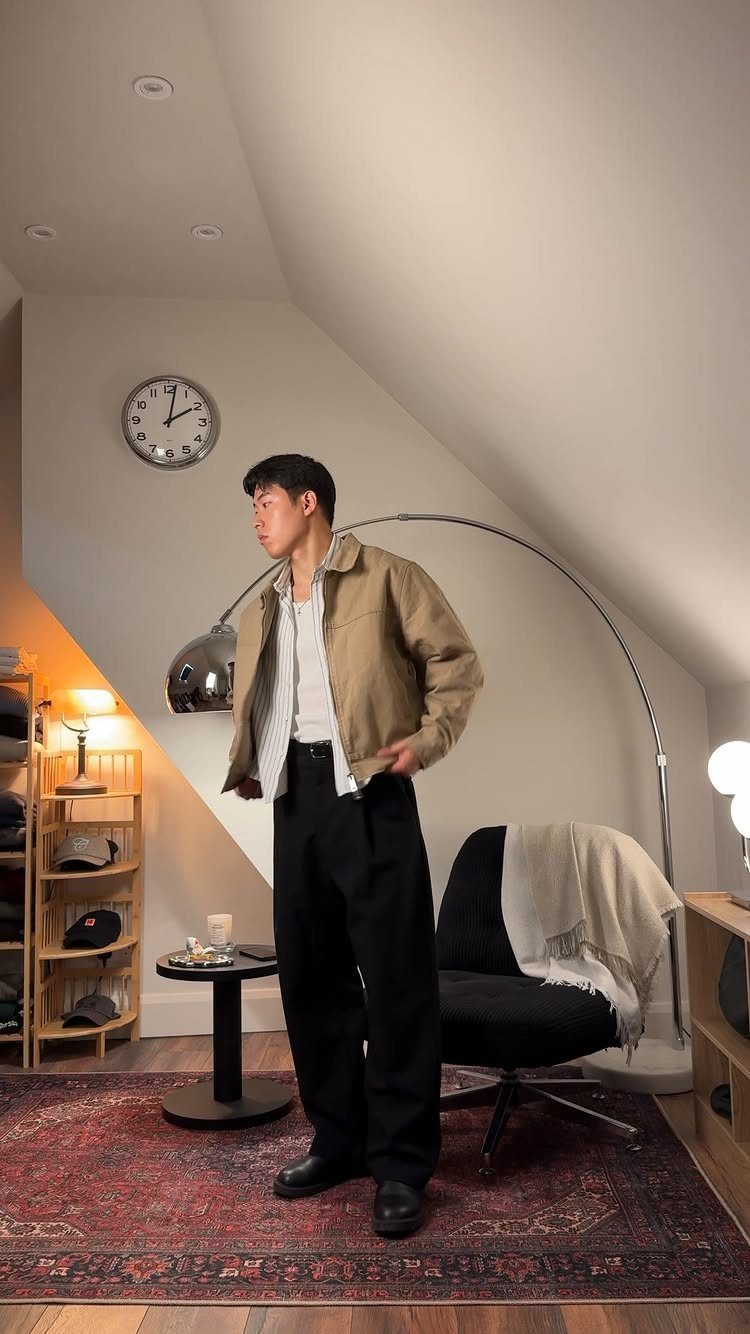
Loose black trousers are the pants I reach for when I want to look put together without looking dressed up. They suit a weekend or a laid-back office day equally well.
A tan jacket over a white shirt gives them a warm, easy partner. Black on the bottom with lighter layers on top keeps the outfit balanced.
Choose a fabric with some drape so the looseness looks relaxed rather than shapeless.
7. Baggy Jeans
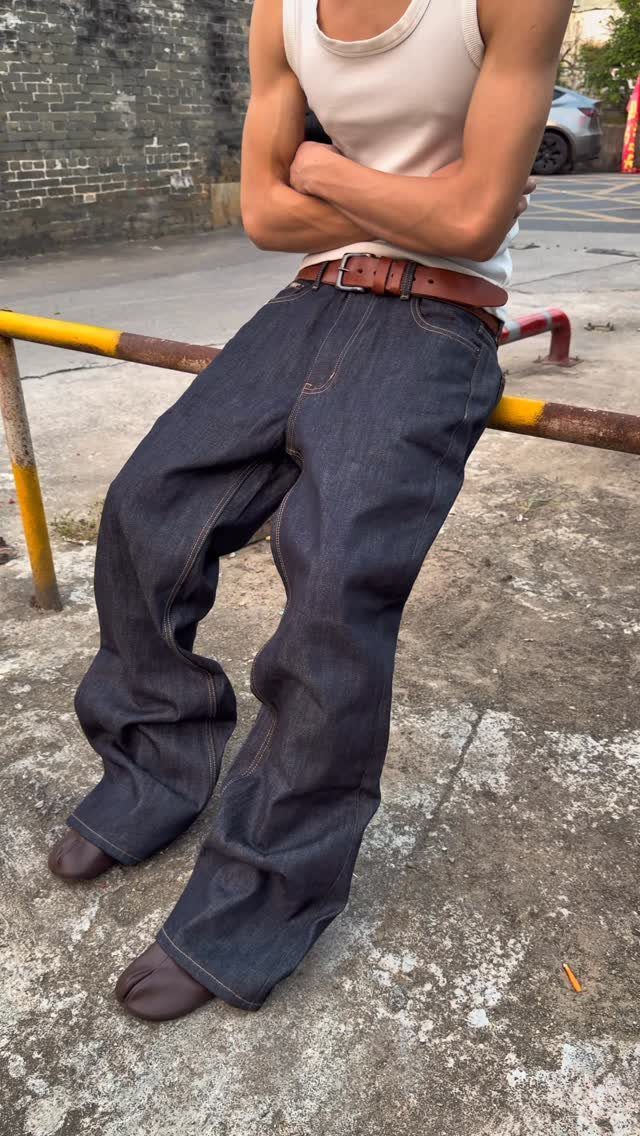
Dark blue baggy jeans with a plain white tank is about as low-effort as streetwear gets, and a brown belt keeps the loose waist from looking sloppy. The wide leg does the talking, so the top can stay simple.
Dark wash is the easier color to wear at this volume. It reads cleaner than light blue, which can look worn out when the leg is this wide.
Let the hem rest near the shoe without pooling too much on the ground.
8. Earthy and Neutral Tones Pants
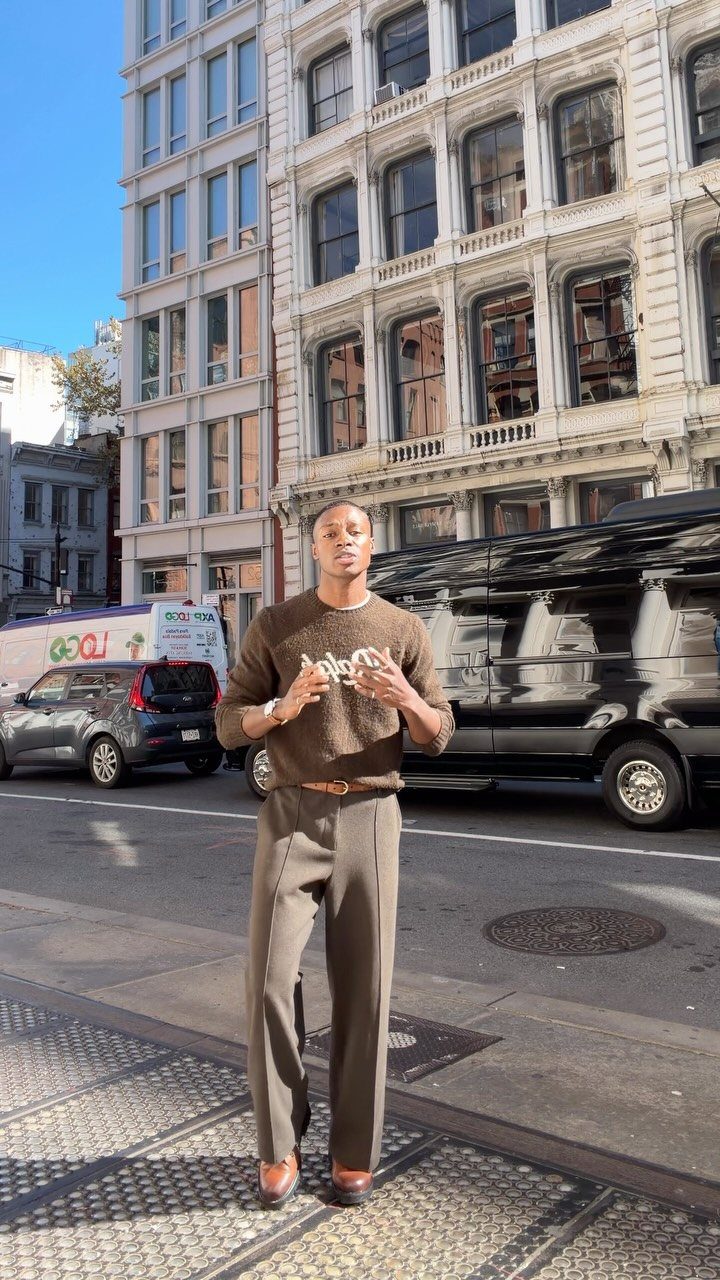
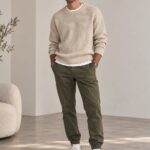
Olive trousers and brown knits or jackets sit next to each other without clashing, and the pairing holds together better than mixing either one with grey or navy.
Both sit in the same warm, muted family, so the outfit looks planned without any effort.
Neutral pants are the ones I’d buy first if your closet is mostly basics. Olive, brown and similar shades pair with white, cream and black tops, so one pair covers a lot of days.
Keep the shoes plain, and skip bright accents until the base feels settled.
9. Drawstring Waistband Pants
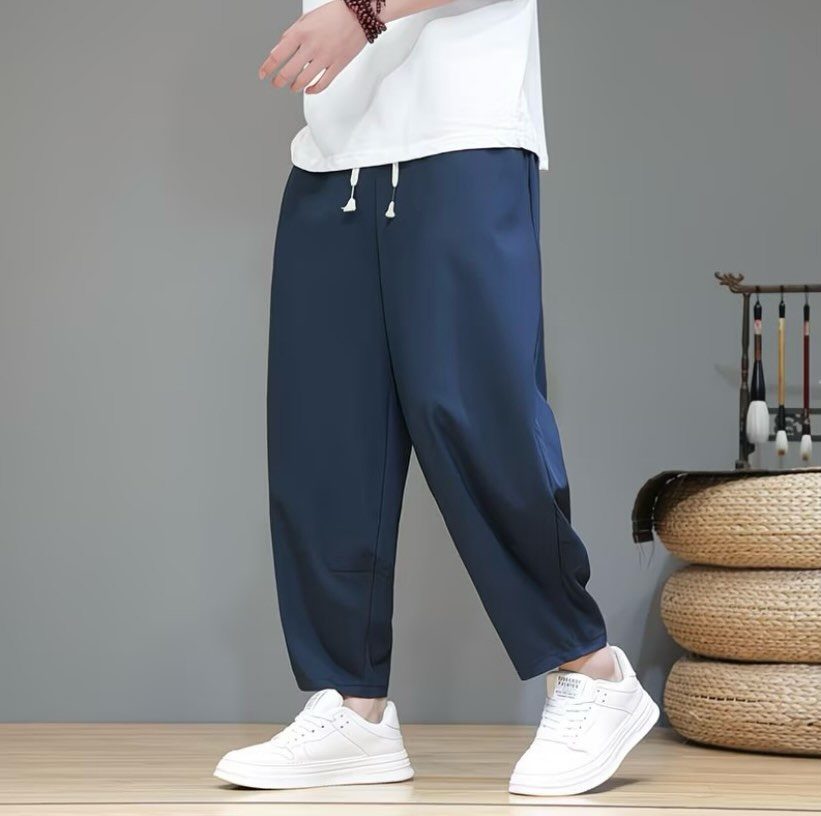
Navy drawstring pants with a white tee and white sneakers make a comfortable outfit that still looks deliberate. Navy is a softer choice than black and goes with almost anything.
The drawstring lets you adjust the waist after a big meal or a long day, which is why I like these for travel and weekends. Tie it neatly and tuck the ends in, so the knot doesn’t hang loose.
For a sharper look, choose a pair in a smooth fabric over a sweatshirt-style cotton.
10. Statement Pattern Pants
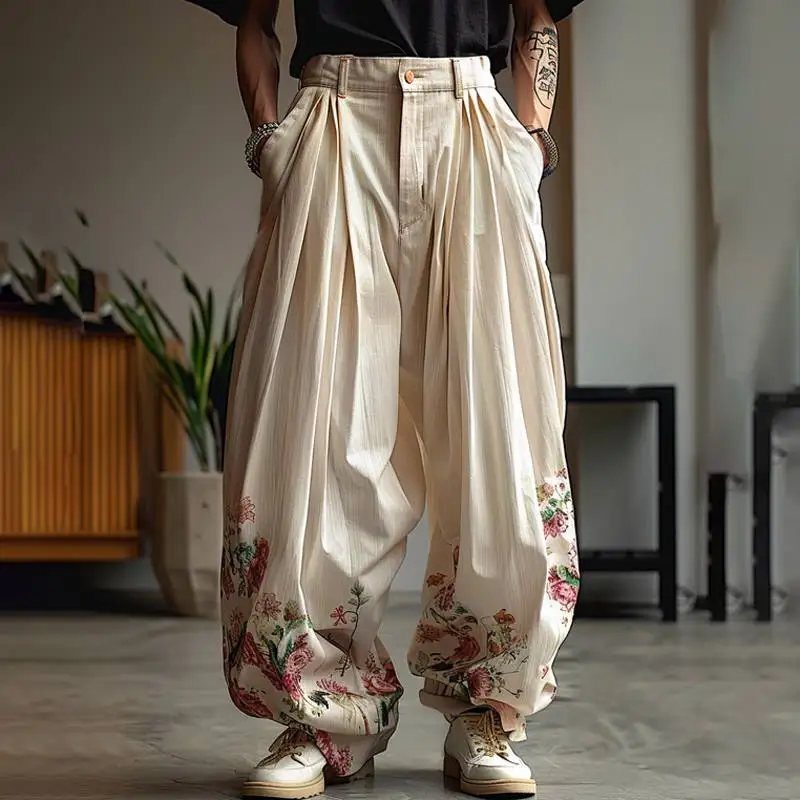
When the pattern sits below the knee, keep everything else plain: a solid dark shirt and clean white sneakers let the print do its work without competing. Everything else stays quiet so the pattern is the one loud piece.
If you’re new to pattern, start with a print placed low on the leg like this. It adds interest without covering the whole pant.
Keep the shirt in one solid color, and pick shoes that match the base shade of the pants.
Choosing the Right Fit
Match the cut to your build. A slim cut works when you’re built narrow; if your thighs or hips carry more size, a relaxed leg prevents the fabric bunching at the seat.
If the waist is where pants usually fail you, look at adjustable waistbands or a higher rise. Either one can fix a fit that off-the-rack sizes get wrong.
Extremes in silhouette are the fastest way to lose the look. Pants that are very tight or very wide tend to date quickly, and a moderate cut stays wearable year after year.
Comfort is the test I trust. If you can sit, walk and climb stairs without tugging at the fabric, the size is right.
Seasonal Considerations
Pick the fabric for the weather first, then the color. Lightweight cotton or linen suits warm days; wool or flannel works in the cold.
Texture also sets how formal a pair looks. A pair in navy worsted wool, smooth and tight-woven, looks formal next to navy corduroy with its soft pile, though both share the same color.
Texture signals the season too. Donegal tweed is coarse and heavy, built for fall and winter, while the loose, breezy weave of linen says summer before anyone checks the label.
A simple rule: if the fabric looks like it would feel wrong in the weather, leave it in the closet.
Frequently Asked Questions
What are the main types of pants for men?
The main types are joggers, cropped pants, cargo pants, tailored trousers, pleated trousers, baggy jeans and drawstring pants. Chinos and dress pants also belong on that list.
They differ in fabric, cut and how formal they look, so pick by where you’ll wear them: tailored or pleated trousers for dinners and office days, joggers and cargos for errands and weekends.
What are pleated trousers?
Pleated trousers have folds of fabric at the waist that add room through the hip and thigh.
That makes them sit easier when you sit down and move around. Dark grey is a smart color since it goes with nearly any shirt, and tucking the shirt in lets the pleats show.
How should men’s pants fit?
Match the cut to your build: a slim leg suits a narrow frame, while a relaxed leg stops fabric bunching at the seat if your thighs or hips carry more size.
Very tight or very wide pants date quickly, so a moderate cut lasts longer. Comfort is the test: if you can sit, walk and climb stairs without tugging at the fabric, the size is right.