The ideas run from black blazer-and-loafers for dinner to grey joggers and a matching hoodie, and what separates them is the setting: an office day, a winter workweek, or an event where you want to be remembered.
Whichever shade you pick, mixing materials keeps one color from reading flat across the outfit.
1. Black Monochrome Outfit
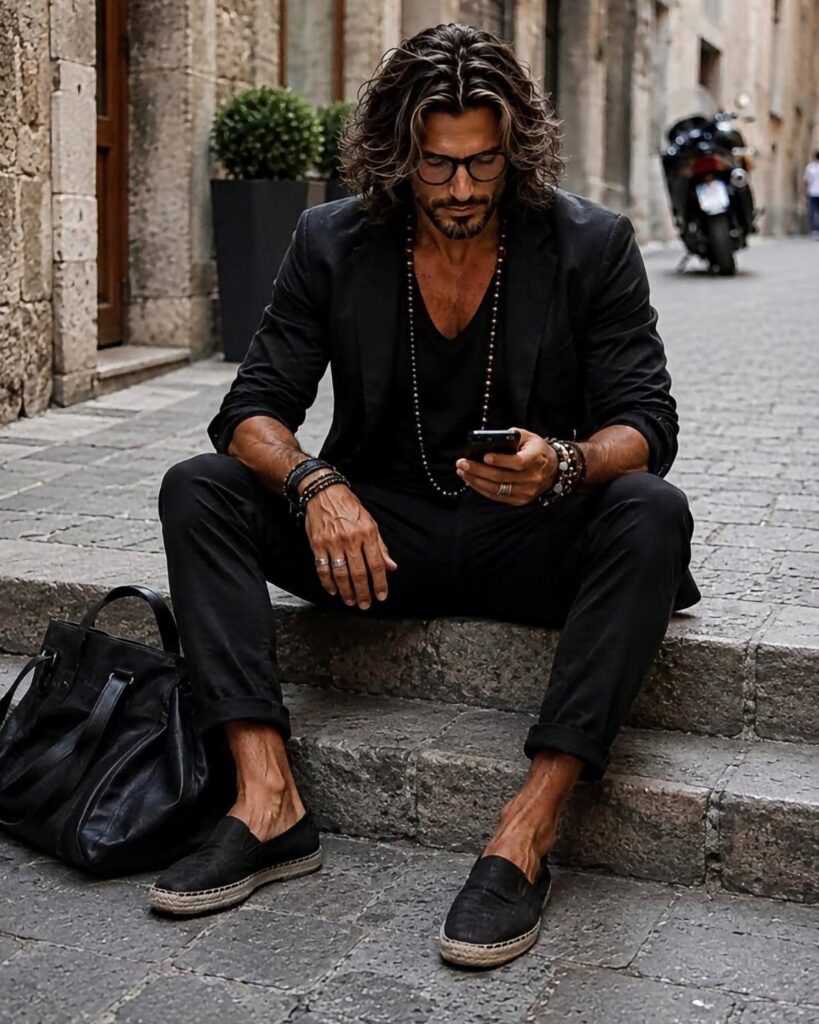
Black earns its place after dark. A blazer, tee and trousers in the same shade read as one long line, and the loafers finish it without extra effort.
Plain tee, structured blazer: the contrast makes it look decided rather than lazy. Texture does the work color can’t: a matte tee against a slightly sharper blazer fabric stops everything going flat.
I’d choose this for dinner or drinks, and a black bag, as here, keeps the palette clean.
2. White Monochrome Outfit
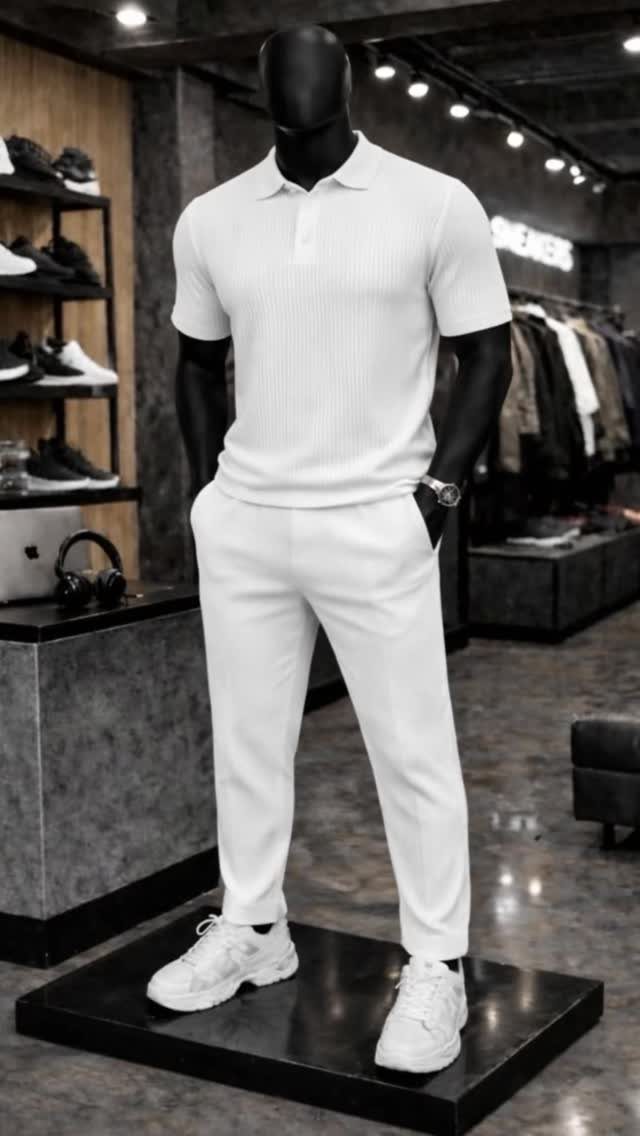
White sneakers settle most casual dressing questions, and an all-white outfit builds on that. A short-sleeved polo, white trousers and clean sneakers make a warm-weather uniform that comes together fast.
The cost is upkeep. White shows every scuff, so keep the sneakers wiped down and choose trousers with enough weight that nothing shows through.
Vary the whites slightly, with a cream polo or off-white trousers, and the outfit looks richer than flat optical white.
3. Earth Tones
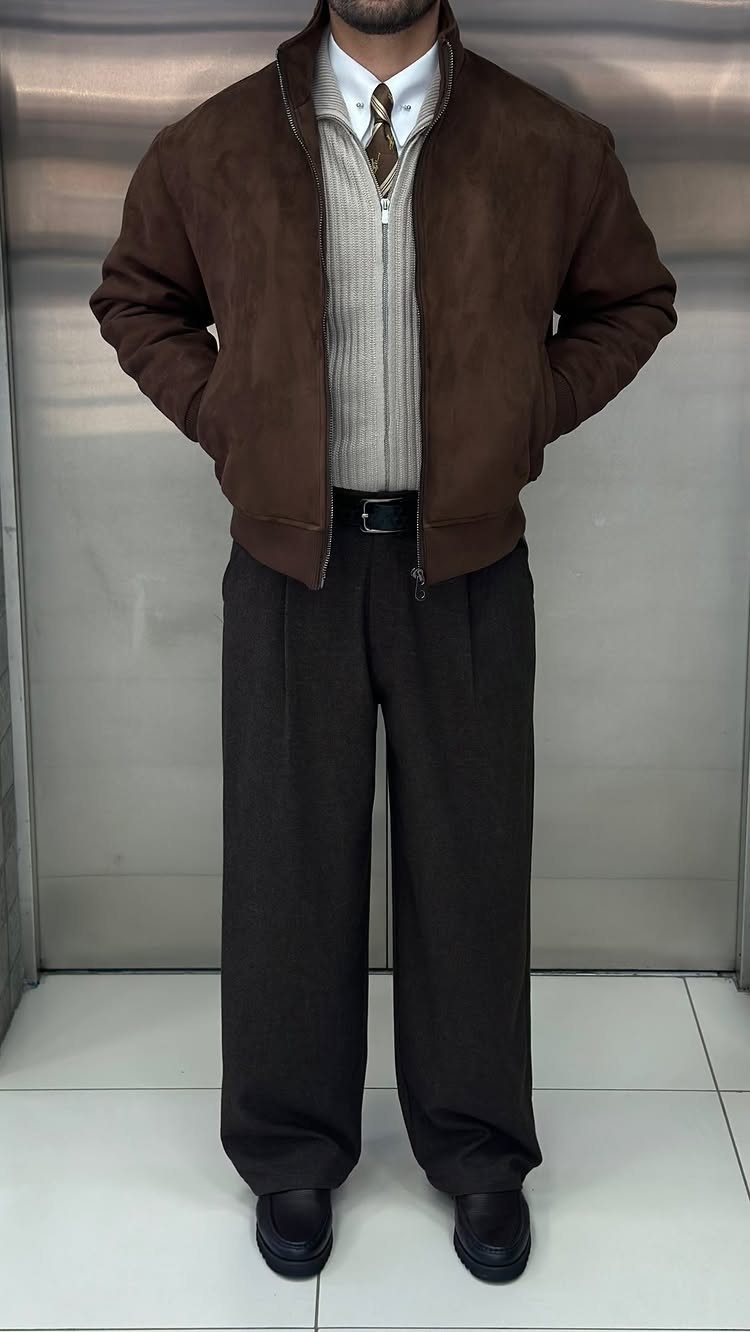
Stay within one temperature, warm, and vary the depth: light beige in the middle, darker brown at the top and bottom. That layering stops it reading as a single blob of color.
I like it for office days that need to look relaxed but deliberate.
4. Men’s Monochrome Outfits in Beige Color
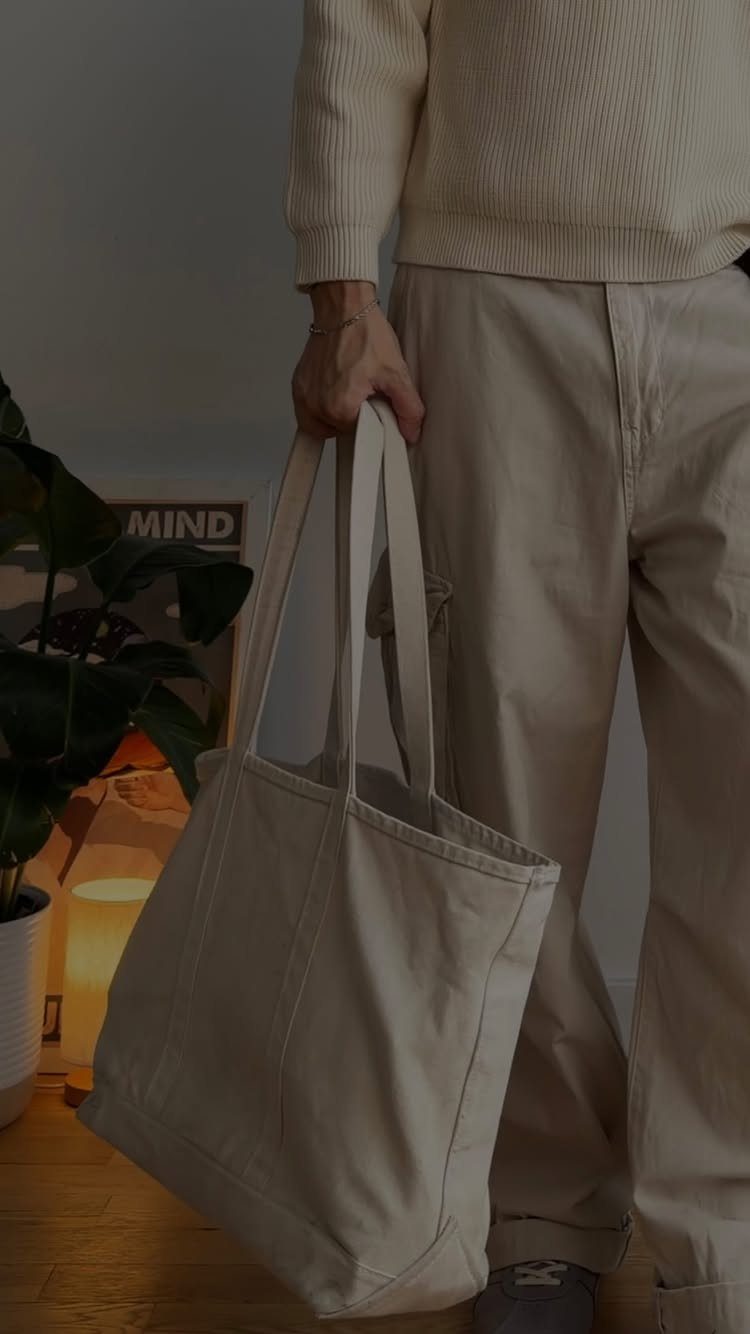
Beige works best when you treat it as a range of shades, not one. A cream ribbed sweater over slightly deeper beige trousers has depth that a perfectly matched set lacks.
The rib texture matters here; it catches light and keeps a pale palette from going flat. A canvas tote in the same tone completes it without adding another item to think about.
Keep shoes in a neutral shade too. It suits weekend errands and relaxed dates, and it’s about as easy as dressing gets.
5. All Mauve Outfit
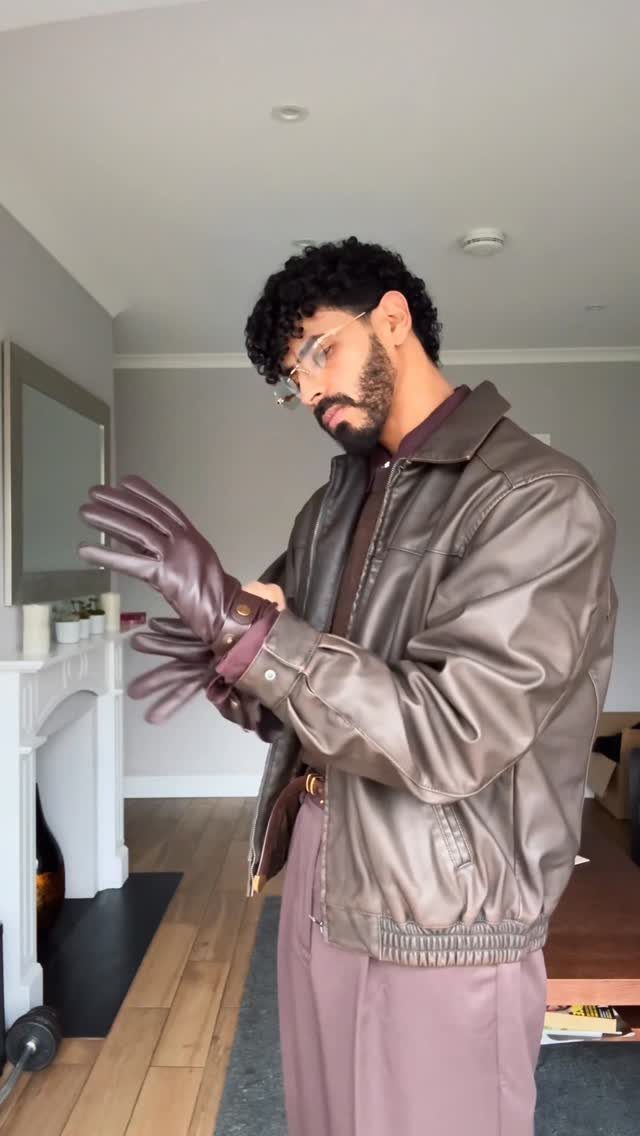
Mauve is the bold pick here, and a mauve leather jacket with matching trousers commits fully. Gloves in the same shade make it look planned rather than accidental.
Because the color does the talking, keep the cut simple: clean lines, no logos, nothing busy underneath. Leather adds a sheen that softens the color, which helps if mauve feels like a stretch.
Not the easiest outfit to repeat weekly, but for an event where you want to be remembered, I’d wear it.
6. Grey Monochrome Outfit
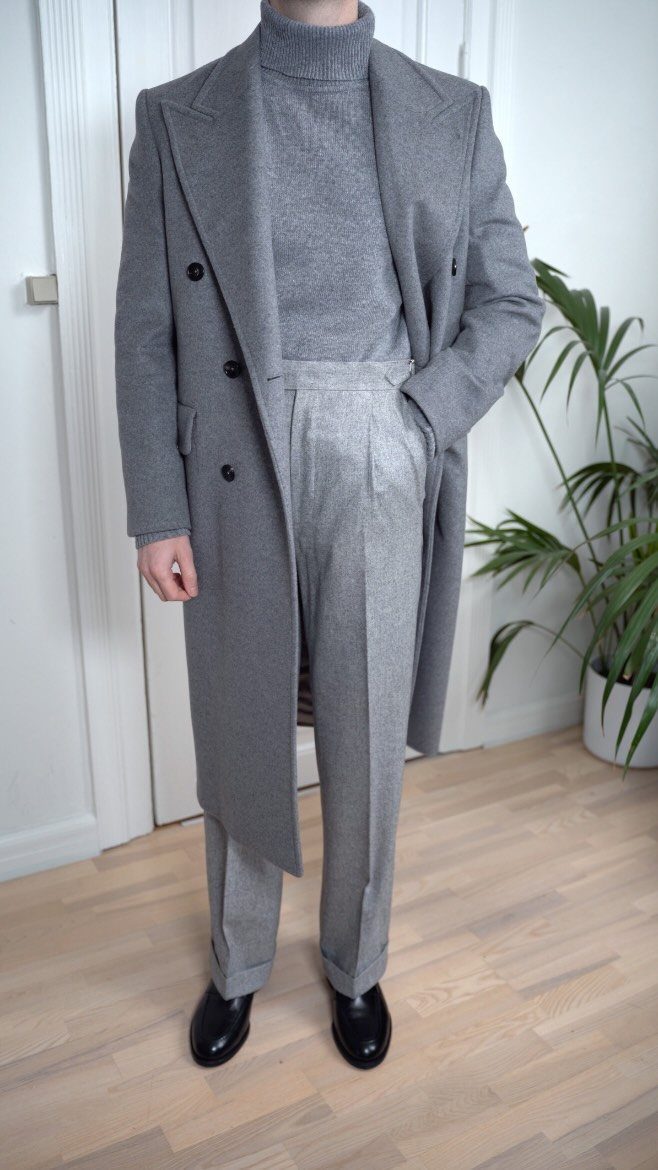
Grey is the most forgiving monochrome, and an overcoat over a turtleneck with tailored trousers shows why. Black shoes anchor the bottom of the outfit and sharpen it.
Mix shades: a darker coat over a lighter sweater gives the outfit shape. The turtleneck replaces a shirt and tie, which keeps things clean and warm in cold weather.
I’d pick this for work in winter. It looks formal without feeling stiff, and almost nobody looks wrong in grey.
Choosing the Right Color
Skin tone is the quickest filter for picking a base color. Fair skin tends to look best in blues, greens and grays, while very pale skin can look washed out in stark white or icy blue.
Medium skin suits earthy tones. Burgundy and olive green sit naturally on darker skin tones.
If you want a shortcut, start with black, gray or navy, which are classic and forgiving. Beige, olive and brown are the popular earthy options, and for warm weather, white, cream and soft pastels work.
Hold the fabric up near your face in daylight before you commit. If your skin looks tired next to it, try a different shade of the same color.
Common Mistakes
The first mistake is choosing shades too close in tone.
With no contrast, the outfit turns into a flat block and nothing stands out. Aim for a clear step between the lightest and darkest piece.
Exact color matches are harder to pull off than most men think.
It’s nearly impossible, and it looks stiff. Pick shades from the same family, but give them room to vary.
Fit matters more here than anywhere else, because one solid color shows every flaw. Baggy or cheap-looking fabric reads like pajamas, so tailor what needs it.
Texture is the fix for most of this. Mix a knit, a woven fabric and maybe a leather, and the outfit gains depth without a second color.
Finally, keep bright colors in check. A loud shade head to toe is hard to pull off.
Monochrome for All Occasions
A monochrome outfit works across every setting, and the color and fabrics set the mood.
For formal events, keep the suit, shirt and tie in one color. Black gives the most polish, and it can also look sleek and modern when it’s casual.
For casual days, try monochrome streetwear, where relaxed cuts and soft fabrics do the work. White works for warm weather and vacation wear because it reads fresh against a tan.
For smart-casual, gray is the easy pick. It’s softer than black but still looks refined, so it suits both work and time off.
At the core of monochrome’s appeal is that gold dust trait: timelessness. Syphon your look’s colour, and you won’t need to bin it entirely once the bad weather abates.
Frequently Asked Questions
What is a monochrome outfit for men?
A monochrome outfit is built from pieces in one color family, head to toe.
The shades don’t have to match exactly; a light grey with a charcoal, or a cream with a deeper beige, gives the look depth that a perfect match lacks.
What to wear to a monochrome party?
Pick one color and vary the shades and fabrics. Black carries the most polish when the event calls for formality: blazer, T-shirt, trousers and loafers all in matching tones.
Mauve separates with leather gloves leave an impression. Keep the cut simple, with no logos, so the color does the talking.
What are common monochrome outfit mistakes?
The biggest mistake is choosing shades too close in tone, which turns the outfit into a flat block.
2 other mistakes: chasing a perfect match across pieces, which reads as forced, and ignoring fit, since solid color reveals every wrinkle and pull.
Mixing textures like knit, woven fabric and leather fixes most of it, and loud colors head to toe are best avoided.
Is monochrome dressing only for formal outfits?
No, it works in every setting.
The formality comes from the garments themselves, not the single color: a hoodie and joggers in grey stay casual, a three-piece in charcoal reads formal. Gray sits between the 2 and suits both work and weekends.